
How to buy a house


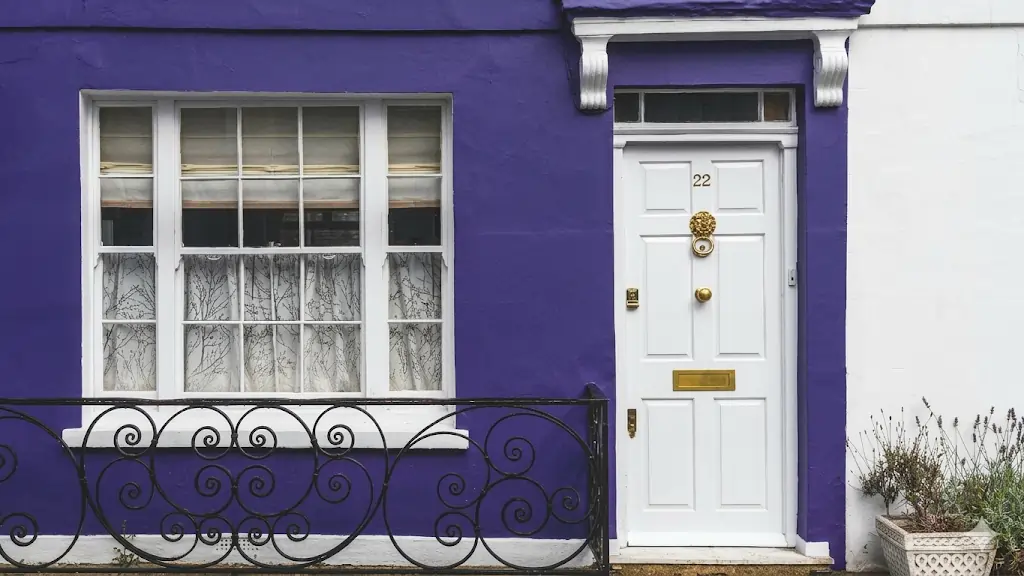
Buying a house can feel exciting and overwhelming (it’s a huge amount of money, after all), but the process is much more manageable when you break it down into smaller steps.
To buy a house in the UK, you need to save for a deposit and apply for a mortgage in principle, which tells you how much you may be able to borrow. Then you can start searching for your dream home, make an offer and begin the legal process to complete the purchase.
Get prepared and learn as much as you can about buying a home so you can move forward confidently.
Read on to discover the most important steps to buying your home.
Here are some key takeaways:
Buying a house starts with working out what you can afford and making sure your credit report is strong
Getting a mortgage in principle is key to the process, so you can make an offer on your chosen home
After your offer is accepted, the surveying and legal processes begin
Exchanging contracts makes the deal official, and completion day is when you get the keys to your new property
The process can take about three to eight months from search to getting the keys, but sometimes it can take longer
What is the first step in buying a home?
One of the first steps of buying a house is saving for a deposit. This is the money that you put down against the value of the house you want to buy. It will dictate the value of the house you can afford. Ideally, you will have as much money as possible to put into your deposit, so you need to borrow less.
The average deposit on a house is between 5% to 15% of its value. If you don’t yet have a deposit, perhaps go fantasy house hunting to get a feel for the prices in areas where you’d like to live. Set a target and get saving.
A good place to start is by working out how you’re going to pay for your new home. Is this the beginning of your saving journey, or have you been building the funds for your house deposit for a while? Or, if you’re not a first-time buyer, is your current home on the market yet?
Head to our homebuyer’s saving page for handy tips on how to set a savings goal for buying a home.
What can you afford?
When buying a house, most of us need a mortgage. Unless you have enough money saved to pay for the property outright, you are going to need to borrow some money. Mortgages are large loans which cover the remaining cost of a home after you’ve saved your deposit.
Let’s say you are buying a home for £300,000 and you put down a £30,000 deposit, which is 10%. You’ll then need a mortgage for the value of £270,000 to cover the other 90% of the value of the property.
You will be expected to pay off your mortgage to your lender (with interest) in monthly payments over the term of your mortgage deal. The average term for repayment of mortgages is 25 years.
Working out your budget
The general rule of thumb for working out your budget is to multiply your salary (or combined salaries if you’re buying with a friend or a partner) by four.
However, other factors will also impact how much you’re able to borrow, including:
Your credit history
The current economic environment
The amount you're able to put down in a deposit
Your credit history plays a major role in whether lenders approve your mortgage and what interest rate you’re offered.
Want to find out more about the effect your score has? Head to our homebuying hub on understanding credit and mortgages.
When considering your budget, you also need to remember the other costs involved when buying a home. These include, but are not limited to:
Mortgage advice (although this can sometimes be free)
Conveyancer’s fees (the same as solicitor’s fees)
The home buyer’s survey
House insurance (which is mandatory when taking a mortgage)
Removal fees
You may also want to put some money aside for things like furniture and decorating once you’ve moved in, especially if you’re buying your first home, and moving from furnished rental accommodation. You will likely need to buy a lot of things when you move in.
Why does your credit score affect your mortgage application?
Lenders do a hard check on your credit report so they can understand whether you will be a risk to loan money to or not. Higher credit scores are more likely to be accepted for mortgages and will often get you better interest rates.
If you don’t know your credit score, you can check it for free, and without impacting it, by checking the three main UK credit reference agencies (CRAs): Experian, Equifax and TransUnion.
When it comes to paying a large loan like a mortgage, better deals (with better interest rates) can save you £10,000s in the long run. So why not kill two birds with one stone and build your credit history while you save for your homebuying costs? Find out how here.
Improvements to your credit score are not guaranteed. Missing payments to Loqbox or other credit accounts may harm your score.
Work out your stamp duty
Once you figure out how much you can afford to pay for a house, it’s time to work out exactly how much stamp duty land tax (SDLT) you will be required to pay.
You will often need to pay this within two weeks of completing the purchase, so be sure to have it ready. As of March 2026, first-time buyers buying properties under £300,000 may not have to pay any stamp duty. You can find out more about the current rates here.
Consider a mortgage broker
It’s sensible to chat with a mortgage broker before you start searching for your perfect home. A mortgage broker is a person or company who arranges the agreement between you and the lender.
They’ll take you through an affordability assessment, a process that looks at your finances (and how you use them), to help you understand what mortgages are available to you and how likely it is that you’ll be accepted. By chatting to one, you can establish what your monthly payments are going to be and what house value you are realistically going to be able to afford.
Apply for a mortgage in principle
A mortgage in principle is a document from a mortgage provider which agrees (in principle) to lend you the amount you need. It lets sellers know you’re in a good financial position to buy their property.
Once you have found your target house price, you’ve researched the housing market, it’s a good idea to apply for a mortgage in principle from your provider of choice. It takes less than a day (sometimes only a few minutes!) to get one, but make sure your credit history is looking good at this stage, as lenders will usually do either a soft or hard credit check at this point.
You can ask the broker to confirm what kind of credit check it will be before they proceed with the mortgage in principle application. If you're doing it off your own back (like through an online bank), it will usually tell you either way before you start. Too many hard searches in quick succession can be interpreted negatively by lenders, so be mindful of the process each time to protect your report.
Start your house hunt
House hunting is probably the most exciting part of buying a home. Looking for and finding your perfect home can be a real thrill, but try not to set your heart on one particular property. Prepare yourself for the possibility that your offer might not be accepted, or somebody else might get ahead of you. The right home will be out there, you just need to find it.
Decide on your neighbourhood
A home’s location has a huge impact on its value. The desirability of the area, access to transport connections, and quality of schools. All of these things will drive the price up (or down). Consider what’s most important to you and whether you can afford it or if you need to make compromises.
Make an offer
When you find your ideal home, the next step is to make an offer to the seller. Putting in the right offer (at the right price) is a really important part of being successful. Of course, you want to pay as little as possible, but you also might need to beat stiff competition to secure the property if it’s popular with other buyers as well. It may not all come down to price; sometimes, not being part of a chain and being able to move quickly (as a first-time buyer) can seal the deal.
Getting your offer accepted
Getting your offer accepted is great. But it isn’t time to celebrate just yet. Buying a house is a marathon, not a sprint. Even with your offer accepted, you can still be outbid at this stage. To avoid being “gazumped”, it’s best to get the sale through as quickly as you possibly can.
Find a conveyancer
One of the most important steps in the process of buying a home is finding a licensed conveyancer (or a solicitor if you need broader legal advice as well). This person will handle all the legal aspects of your house purchase, so it’s important you find a reputable one via the Council for Licensed Conveyancers. You could also ask friends and family for recommendations to begin with, but shop around so you don’t pay over the odds. Make sure to find a conveyancer or solicitor who is accepted by your chosen mortgage provider as well.
What’s the difference between a conveyancer and a solicitor? A conveyancer specialises in property law, while a solicitor can handle more complex cases which might require legal help in other areas. This can make solicitors more expensive, so consider all your options when you reach this stage.
Make your mortgage official
When your offer is accepted, it’s time to get your formal mortgage in place. This could be directly through a mortgage provider or indirectly via a mortgage broker, or online. When you apply for a mortgage, it will require a hard credit check so make sure your credit report is looking strong before you get to this point. Strengthening your credit history can take time, so do it as early as you can. If you need help, read about how Loqbox can help you improve your credit.
How long is the mortgage application process?
A mortgage application can take two to six weeks to process in the UK once you submit it to your preferred provider. If you’ve already got your mortgage in principle sorted, this can sometimes speed up the process. It will also help to have ironed out any issues with your credit report before you get to this stage to avoid delays.
How long does it take to buy a house?
The house purchase process usually takes anywhere between three and eight months in the UK. There are lots of factors which can add to the length of time it takes, but you’ll read about them later in this blog.
Here are the main steps you’ll take to buy a home and how long they take:
Getting a mortgage in principle: If you’ve already saved enough for a deposit, you may be able to get a mortgage in principle sorted within a day.
House hunting and getting your offer accepted: This can take anywhere between weeks and months, depending on your search and the market you’re buying in. This is often the longest part of buying a home, and sometimes a frustrating one. But it can also be fun.
Formalise your mortgage: Getting a mortgage sorted after your offer has been accepted could take anywhere between two and eight weeks.
Sort out a property survey: It’s a good idea to get a professional surveyor to check out the property. This can take two to four weeks.
Exchanging contracts: Often, this will take between one and three months.
Completion: Expect your contracts to be exchanged approximately a fortnight before your completion date.
Paying stamp duty and fees: You should be able to get your stamp duty, fees and other obligations sorted in another couple of weeks.
Get a lender’s valuation (valuation survey)
When you make your mortgage application, your provider will typically conduct an inspection of your property in order to confirm it is real and approximately worth what you are considering paying for it. The valuation survey is mostly for the lender to make sure they are providing you with the right mortgage rate. You should definitely consider organising your own survey as well.
Organise your own home survey
It’s a good idea to organise a surveyor to come and check out the property you are looking to buy. They will give you a report of the property’s condition so you can understand what works (if any) your potential home might need and if it’s a decent investment. You can find an accredited home surveyor via the Royal Institution of Chartered Surveyors.
A survey is conducted by an independent expert, and you can choose varying levels of surveys, which go up in detail (and price). But don’t be tempted to cut corners when it comes to this step. However much you pay for it, it will be nothing compared to the cost of heavy structural work on a problematic house. Also, if you unearth any issues at this stage, you may be able to renegotiate the asking price of the house.
Prepare for your completion date
Once you have your offer and your mortgage application accepted, and you’ve successfully renegotiated the house price (if required), the next step is to prepare for your completion date. This is the day when ownership of the property changes into your hands (and may also be your move-in day). This is what’s often called “The Big Day”!
What is a chain?
A chain happens when there are multiple buyers and sellers linked so each sale and purchase of a property depends on the others. Being in a chain can mean your homebuying process could take longer. Here are a few things that can affect them:
One of the property surveys finds issues with a property
Someone in the chain pulls out of the buying or selling process
Someone in the chain can’t get a mortgage
Someone in the chain dies or is no longer fit to complete the process
If you’re a first-time buyer and you aren’t in a chain, this can be a lot easier than when you are both the buyer of your new house and the seller of your previous one. In that case, you may find that every buyer and seller in the same chain will need to complete on the same day. That’s why not being attached to a chain can make you a more desirable buyer!
Exchange contracts and transfer funds
About a week or two before your completion date, you will sign and exchange contracts with the people you are buying your house from. This will trigger payment of your deposit via your solicitor. This is known as a point of no return, as at this stage neither buyer nor seller can back out without heavy consequences (you could lose your deposit).
Complete the purchase
To complete the purchase on your completion date, your mortgage lender transfers the funds to your solicitor. Your solicitor then sends the money to the seller’s solicitor to finalise the transaction. Once the payment is received, the seller’s solicitor releases the title deeds and confirms the transfer of ownership. That means the property is now legally yours. Now it's time to celebrate!
Pay your stamp duty and fees
You usually need to pay your stamp duty within 14 days of your completion date and register ownership of your house. Your solicitor will generally take care of all of this, but there are fees attached so it’s important to have money set aside for those costs when you reach that point.
Move in!
At last, now you have the keys. Congratulations, you're now the proud owner of a brand-new home!
Check out our moving in checklist here.


%20(1).jpg)





.png)